July 16, 2025 · 6 min read
Tree Service Safety: Why Certified Arborists Matter
The difference between ISA certification and 'I have a chainsaw' isn't a piece of paper — it's a measurable record of training, safety, and accountability.
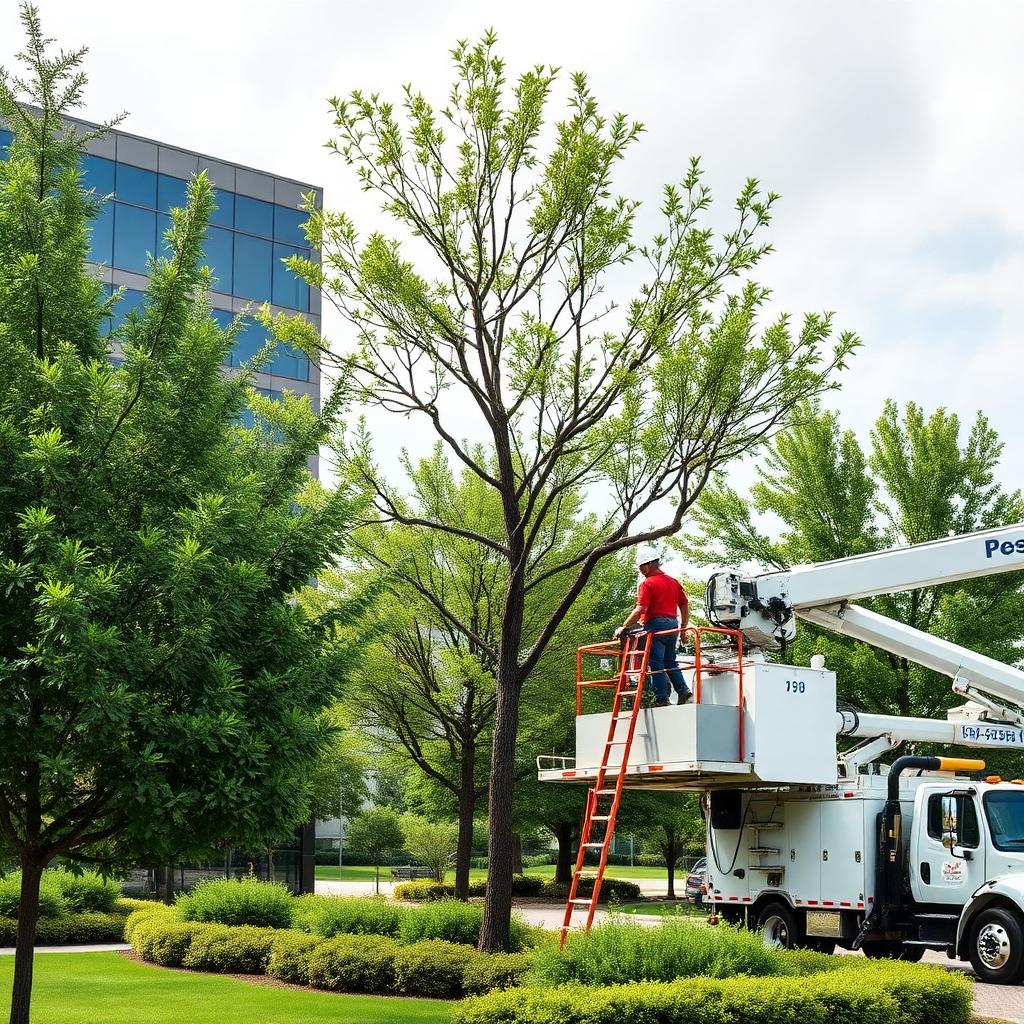
Alabama does not require state licensing to operate a tree service business. Anyone can buy a chainsaw, get a magnetic sign for their truck, and start taking jobs tomorrow. The only meaningful credential in our industry is professional certification through the International Society of Arboriculture (ISA) — and it's the single most reliable way for homeowners to separate real professionals from operators who shouldn't be on your property.
The ISA Certified Arborist credential requires three years of full-time field experience (or a relevant degree plus less experience), passing a comprehensive exam covering tree biology, identification, soil science, diagnosis and treatment of pests and diseases, pruning standards, climbing safety, and tree risk assessment, ongoing continuing education to maintain certification, and adherence to a code of ethics enforceable by the ISA.
What this means practically: a certified arborist has demonstrated knowledge of WHY tree work should be done a certain way, not just HOW to operate equipment. They understand tree biology well enough to know when pruning will help a tree and when it will hurt it. They can diagnose disease from symptoms. They know which rigging techniques are appropriate for which situations. They know what they don't know and when to bring in additional expertise.
The next-level credential is ISA Board Certified Master Arborist — fewer than two percent of certified arborists hold this. It requires extensive experience, advanced examination, and demonstrated expertise across all areas of arboriculture. For complex assessments, expert witness work, or work on heritage trees, this is the credential to look for.
Specialized credentials matter too. The Tree Risk Assessment Qualification (TRAQ) is specifically focused on hazard tree evaluation — quantifying the likelihood and consequence of tree failure. A TRAQ-qualified arborist can produce a defensible written assessment that holds up to insurance and legal scrutiny. This matters for hazard tree cases, especially if there's neighbor or HOA involvement.
Now the safety angle. Tree work is one of the most dangerous trades in America. OSHA fatality data consistently puts tree care workers among the top five occupations by fatality rate. The fatalities cluster around uncertified operators using improper techniques: cutting from a ladder, working alone, ignoring power line clearances, using chainsaws above shoulder height while climbing, improper rigging that drops loads on ground crew.
Certified arborists don't have a zero injury rate — tree work is inherently dangerous — but their injury and fatality rates are dramatically lower than uncertified operators. Why? Because certification training emphasizes safety standards (ANSI Z133 for arboricultural operations), proper personal protective equipment, formal job briefings before each task, and willingness to stop work when conditions become unsafe.
Insurance correlates with certification. A credentialed crew typically carries higher liability limits, current workers' compensation coverage, and named insurance for specific risks like crane operations. The certificates aren't a guarantee of competence, but they correlate strongly. Operations that pursue certification almost always also pursue proper insurance, OSHA compliance, and equipment maintenance.
Ethics matter too. The ISA code of ethics prohibits topping, requires honest disclosure of conflicts of interest, prohibits unfair business practices, and creates a complaint process for clients who feel mistreated. None of these are legally enforceable in Alabama, but they create a professional standard the industry holds itself to.
How to verify: ISA maintains a public Find an Arborist database. Search by zip code, and verify the credential before hiring. Real certified arborists will provide their certification number on request and welcome verification.
Are you required to hire a certified arborist for every job? No. For straightforward removals of small trees in low-risk situations, any insured, experienced crew can do the work safely. But for complex jobs — mature trees, hazard assessments, disease diagnosis, work near structures or power lines, cabling and bracing, anything where the consequences of a mistake are large — certification is the line between professional risk management and gambling with your property and people's lives.
Huntsville Elite Tree Service maintains ISA certification on staff, full insurance documentation available on request, and a track record of safe operations across Madison County and surrounding areas. Call us at (256) 555-0184 for an estimate from a credentialed crew.