May 21, 2025 · 6 min read
The Best Time of Year for Tree Trimming in Alabama
Different species have different ideal pruning windows. Here's a month-by-month guide for North Alabama homeowners.
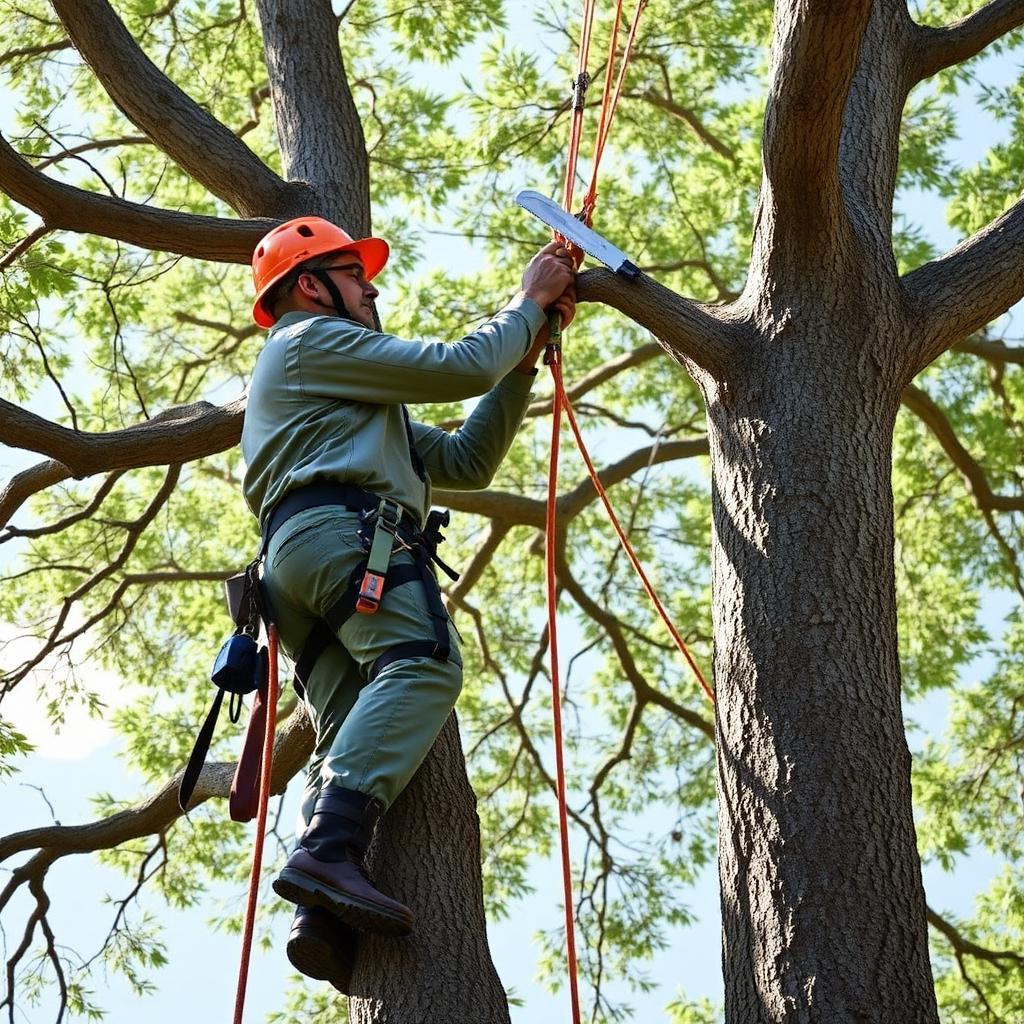
If you ask ten Alabama tree companies when the best time to prune is, you'll get ten different answers. Some swear by winter dormancy. Some say late summer. Some say 'whenever the saw is sharp.' The honest answer is that timing depends on species, your goal for the pruning, and the specific risks for each season. Here's the calendar we use.
Late winter — January and February — is the gold standard for most deciduous trees. The leaves are gone, so structural problems are visible; sap is not flowing aggressively, so cuts seal more cleanly; insects and disease spores that spread through fresh wounds are dormant. This is the right window for oak pruning specifically, because oak wilt — while less common in our area than further north — is spread by beetles during the growing season.
Early spring — March and into April — is acceptable for most species except oaks. We avoid significant oak work between April and September because of oak wilt and bacterial leaf scorch transmission risk. Fruit trees benefit from late-winter to early-spring structural pruning; crepe myrtles can be cleaned up of seed heads and crossing branches now (NOT topped — see our crepe myrtle article).
Mid to late spring — April and May — is the worst time to prune most trees. Sap is running, leaves are forming, and the tree is putting massive energy into new growth. Cuts bleed (mostly cosmetic but messy), and the tree is least able to compartmentalize wounds. Limit work in this window to emergency hazard removal only.
Summer — June, July, August — is acceptable for non-oak structural work, deadwood removal, and clearance pruning. Active growth means wounds seal quickly during summer; the trade-off is that you're removing leaves that are actively photosynthesizing, which is a stress. Light summer pruning is fine; heavy summer pruning is not. This is a good window for crown thinning on fast-growing species to reduce storm risk before fall and winter storms.
Early fall — September and October — is a difficult window for most pruning. The tree is sealing wounds slowly as it prepares for dormancy, and freshly cut wood is more vulnerable to decay fungi that are very active in our humid fall weather. Save heavy work for after leaf-drop in November or wait until winter dormancy.
Late fall and early winter — November and December — work well for clearance pruning, hazard removal, and light shaping after leaves have fallen. Major structural work is best held until full dormancy in January.
Special cases by species. Spring-flowering trees (dogwood, redbud, magnolia, ornamental cherry): prune immediately after they finish blooming. Pruning in fall or winter removes the flower buds and you lose next spring's show. Summer-flowering trees (crepe myrtle, chaste tree): prune in late winter while dormant. Pines: minimal pruning, anytime, and never seal cuts with paint. Fruit trees: late winter for major structural work, summer for size control and disease management.
Emergency pruning, of course, has no season. If a limb is hanging over your kid's bedroom window, it needs to come down whether it's April or January. The 'wrong season' penalty is real but usually small compared to the risk of waiting.
Storm-prep pruning has a season: late winter and early summer. Get your crown thinning and hazard limb work done before the spring squall line in late winter, and again before hurricane season if you live in a particularly storm-exposed location.
Don't believe the myth that 'you can prune anytime if you know what you're doing.' Timing matters, even for professionals. But also don't be paralyzed by the calendar — for most light to moderate work on healthy trees, any season other than active spring growth is acceptable, and dormant winter is best.
For a free consultation on pruning timing and a written estimate for any work needed, call Huntsville Elite Tree Service at (256) 555-0184. We schedule winter dormant work months in advance — get on the books early.