July 9, 2025 · 7 min read
Oak Tree Care Tips for North Alabama Homeowners
Oaks are the backbone of the Huntsville canopy. Here's how to keep them healthy for the next century.
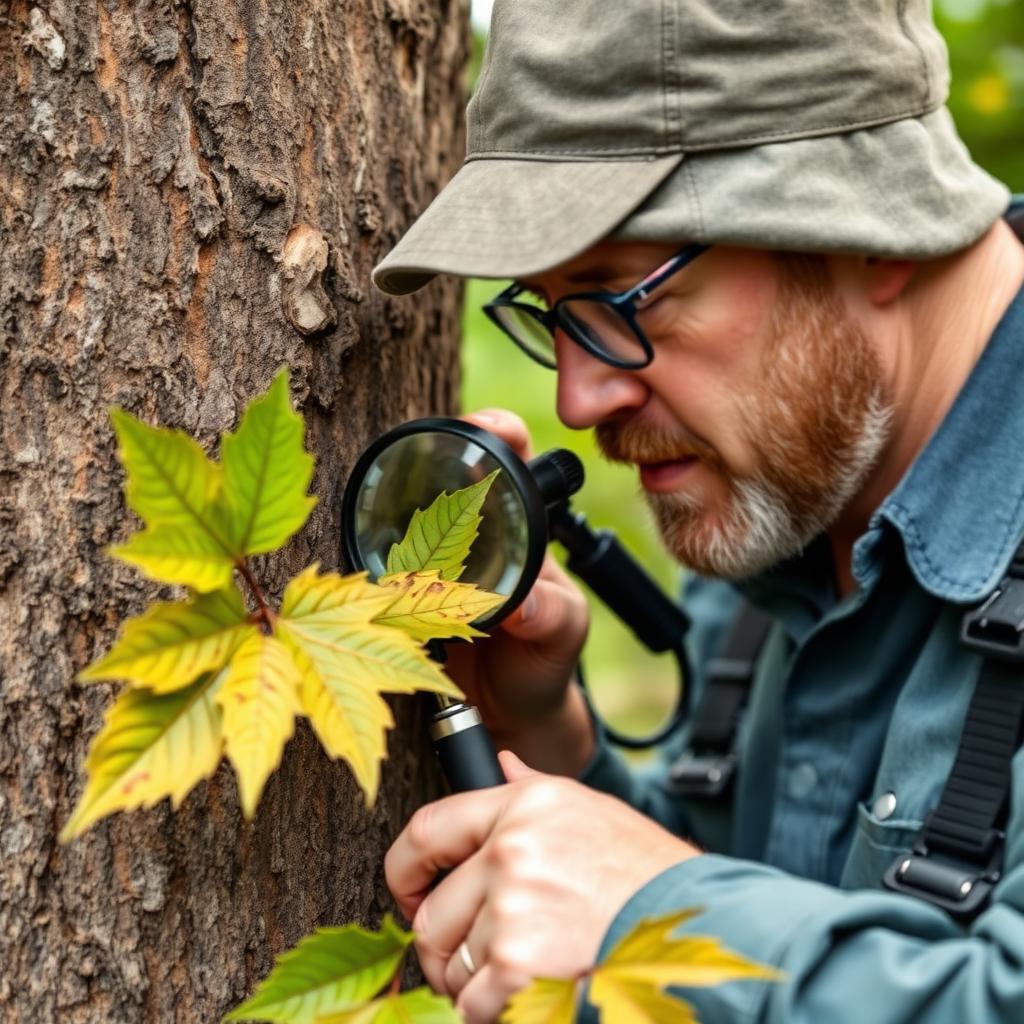
Oaks are the iconic shade trees of North Alabama. White oak, willow oak, water oak, post oak, red oak, and pin oak are all native or naturalized in our region, and a mature oak in good condition can outlive the house it shades. But oaks are also under increasing pressure from drought, disease, pests, and construction stress. Here's what every Huntsville-area homeowner with mature oaks should know.
Know your oak. The white oak group (white oak, post oak, swamp white oak, bur oak) has rounded leaf lobes without bristles, sweeter acorns, and longer lifespans — 200 to 400+ years for white oak. The red oak group (red oak, water oak, willow oak, pin oak, shumard oak) has bristle-tipped leaf lobes, bitterer acorns, and somewhat shorter lifespans — typically 100 to 250 years, less in urban settings. Disease vulnerabilities differ between the groups, so identification matters.
Don't prune oaks during the growing season unless absolutely necessary. Oak wilt — a fungal disease that has been confirmed in North Alabama — spreads through beetles attracted to fresh wounds during the growing season (roughly April through September). All oak pruning should ideally happen during dormancy (December through February) when the beetles aren't active. Emergency hazard pruning is the exception; cuts made in summer should be treated with wound paint specifically because of oak wilt risk.
Protect the root zone during construction. The single largest cause of mature oak death we see in Huntsville is construction damage that occurred 3 to 7 years before the tree visibly declined. Trenching through the root zone, parking heavy equipment under the canopy, raising or lowering grade within the dripline, and stockpiling soil over roots all suffocate and damage the fine roots that feed the tree. A construction project lasting 6 months can kill a 150-year-old oak that won't show symptoms until the equipment is long gone.
If you have construction planned near a mature oak, talk to an arborist before bidding the project. Solutions exist: tree protection fencing around the dripline, root-aware excavation techniques, root pruning to allow nearby trenches, and structural mulching to protect the root zone from compaction. These cost money upfront but save the tree.
Manage drought. Mature oaks in turfgrass yards often don't get enough water in the dry late summer because lawn sprinkler systems wet the surface but don't penetrate deeply enough to reach the deep root system. During extended dry periods (no significant rain for 3+ weeks), water mature oaks slowly and deeply — set a soaker hose under the canopy and let it run for several hours, then move it. Aim for about an inch of water per week, delivered slowly.
Mulch correctly. A 2 to 3 inch ring of wood mulch under the canopy (out to the dripline if possible) keeps soil cool, holds moisture, reduces compaction, and protects the root flare from string trimmer damage. Critical: never pile mulch against the trunk. The 'mulch volcano' style that has become unfortunately common is actively damaging — it encourages girdling roots, holds moisture against the bark, and creates entry points for decay. The mulch should look like a donut, not a cone.
Watch for the warning signs of decline: thinning canopy starting at the top, dead branches in the upper third, leaves smaller than normal, premature fall color (especially yellow or brown in August), bark loss in patches, fungal fruiting bodies (mushrooms or conks) at the base, sap weeping from cracks. Any of these in a mature oak deserves a professional evaluation.
Hypoxylon canker deserves special mention. It's a stress-driven fungal disease that's the leading killer of mature oaks in our area, and it almost exclusively attacks trees already weakened by drought, root damage, or construction stress. Visible symptom: bark that sloughs off in sheets, revealing a silvery-gray fungal mat underneath. Once visible, removal is the only option — the wood is structurally compromised.
Bacterial leaf scorch (BLS) is the other major slow killer, especially of pin oaks and red oaks in Huntsville. Symptoms: leaf margins brown in late summer with a yellow band between brown and green, gradual decline over multiple seasons. Treatment with injected antibiotics can slow progression and add years to a tree's life when started early.
If you have mature oaks on your North Alabama property and you've never had them professionally evaluated, schedule an arborist visit. We'll assess each tree's structure, health, and risk level, and give you a written maintenance plan focused on long-term preservation. Call Huntsville Elite Tree Service at (256) 555-0184.