June 18, 2025 · 7 min read
DIY vs Professional Tree Trimming: The Honest Comparison
When you can absolutely do it yourself, when you absolutely shouldn't, and where the middle ground actually sits.
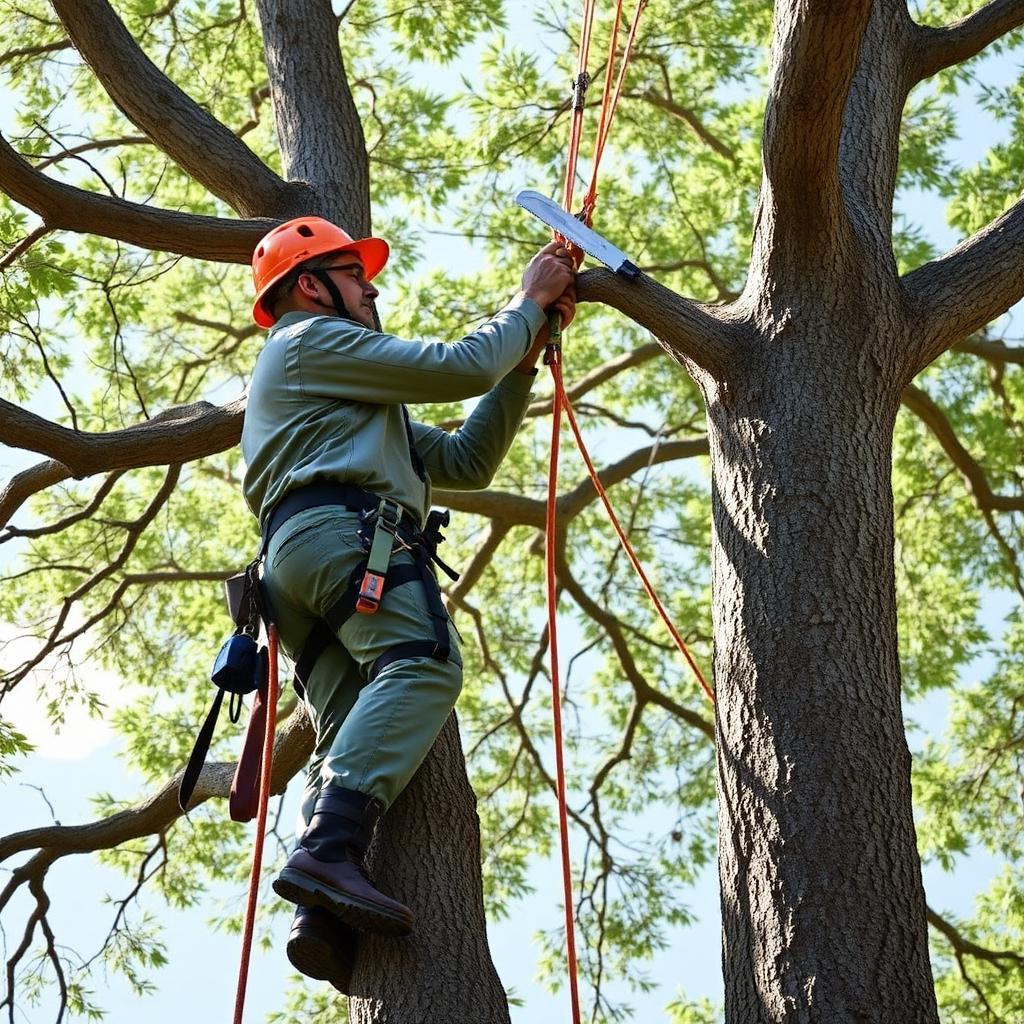
Tree work is one of the most dangerous jobs in America. The OSHA fatality rate for arborists rivals roofing and commercial fishing. And yet — most homeowners can absolutely do some of their own tree care safely, save real money, and learn skills that pay off for decades. The trick is knowing exactly where the line sits between 'reasonable DIY' and 'call a professional.' Here's the honest version.
What you can DIY safely: light pruning of small ornamentals (under 15 feet), clearance pruning of shrubs and small trees with a pole pruner, deadwood removal from small branches you can reach with both feet on the ground, fruit tree maintenance below 12 feet, and watering, mulching, and basic fertilization of any tree.
What is gray area: medium-tree work where you might need a ladder, removal of small trees under 20 feet that are well away from structures, chainsaw work on already-down logs (bucking firewood), and pruning of small trees over open lawn with a properly sized pole saw.
What you should not DIY under any circumstances: anything involving a chainsaw above shoulder height, any tree near a power line (the legal minimum approach distance for non-utility workers is 10 feet from any line in Alabama), removal of any tree taller than the tree-to-structure distance, work on dead or storm-damaged trees of any size, and any work that requires climbing or aerial equipment.
Why the strict limits on chainsaw-above-shoulder work? Kickback. A chainsaw bar that catches on a knot or twist of wood can rotate violently toward the operator's face and chest. At shoulder height with two hands gripping low, you have leverage to control kickback. Above shoulder height, the saw can reach your throat before you can react. This is how people die.
Why no power lines? Even a non-energized line is dangerous to work near. Live primary lines (the high-voltage lines at the top of the pole) carry 7,200 volts in Huntsville's typical residential distribution. A wet branch contacting a primary line transfers electricity to anything touching the branch. The legal approach distance for untrained workers is 10 feet from any line, and contact with an energized line at any range can be instantly fatal.
Equipment matters. Real tree work requires a chainsaw with proper bar size for the cut (rule of thumb: bar length should be at least as long as the diameter of the log), a properly fitted helmet system with face shield and ear protection, chainsaw chaps (cut-resistant leg protection that has saved more arborist legs than any other piece of gear), eye protection, and gloves. Working without chaps is the single most common preventable cause of chainsaw injury — they're $80 at any hardware store.
Beyond personal safety, there's the question of doing damage to the tree. Flush cuts, stubs, bark tearing, and topping are common DIY mistakes that can take years to manifest as serious tree problems. Learning to make a proper three-cut release on a heavy branch (undercut, top cut a few inches further out, then trim the stub flush to the branch collar) is essential — and easily watched on a credible YouTube channel before you try it.
What does it cost when DIY goes wrong? Self-treated chainsaw injuries average about $10,000 in medical costs (urgent care, sometimes orthopedic surgery for tendon repair). Tree-on-house DIY accidents range from $5,000 in roof repair to total loss. Powerline contact can be six-figure medical bills or fatal. Compare to the cost of hiring a professional ($300 to $1,500 for typical residential pruning), and the math is straightforward.
If you do decide to DIY: stay on the ground with both feet, use a properly-sized pole pruner for branches up to 15 feet high, never work alone (have someone within shouting distance), wear the right PPE, and call a professional for anything beyond what you're 100% comfortable with. Bravado is how the emergency room fills up.
Where we genuinely save you money: the bigger and more dangerous the job, the better the value of hiring a real crew. A 70-foot tree over a house that costs $2,500 to have removed professionally would cost an uninsured homeowner their house, their car, or their life. A 12-foot crepe myrtle in the front bed that you could prune yourself for the cost of a coffee — sure, do that one yourself.
For honest advice on what you can handle yourself and what to leave to professionals, call Huntsville Elite Tree Service at (256) 555-0184. We won't pressure you to hire us for work you can safely do yourself.